
Appartamento in vendita a Narni - Via Feronia, 114 mq

114
mq
5
Locali
2
Camere
1
Bagni
Descrizione
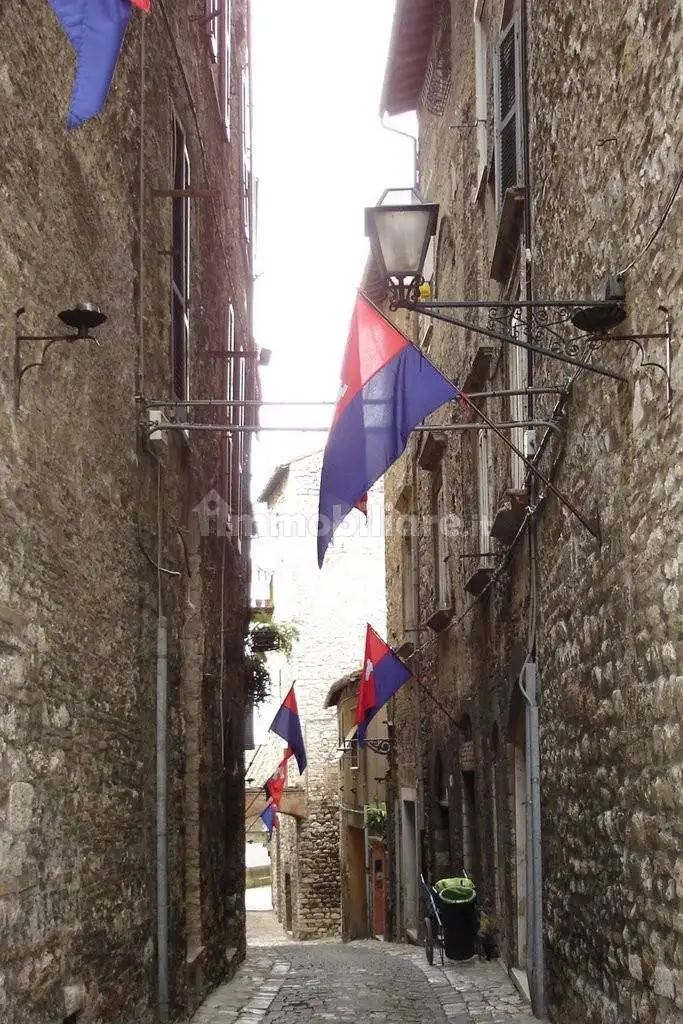
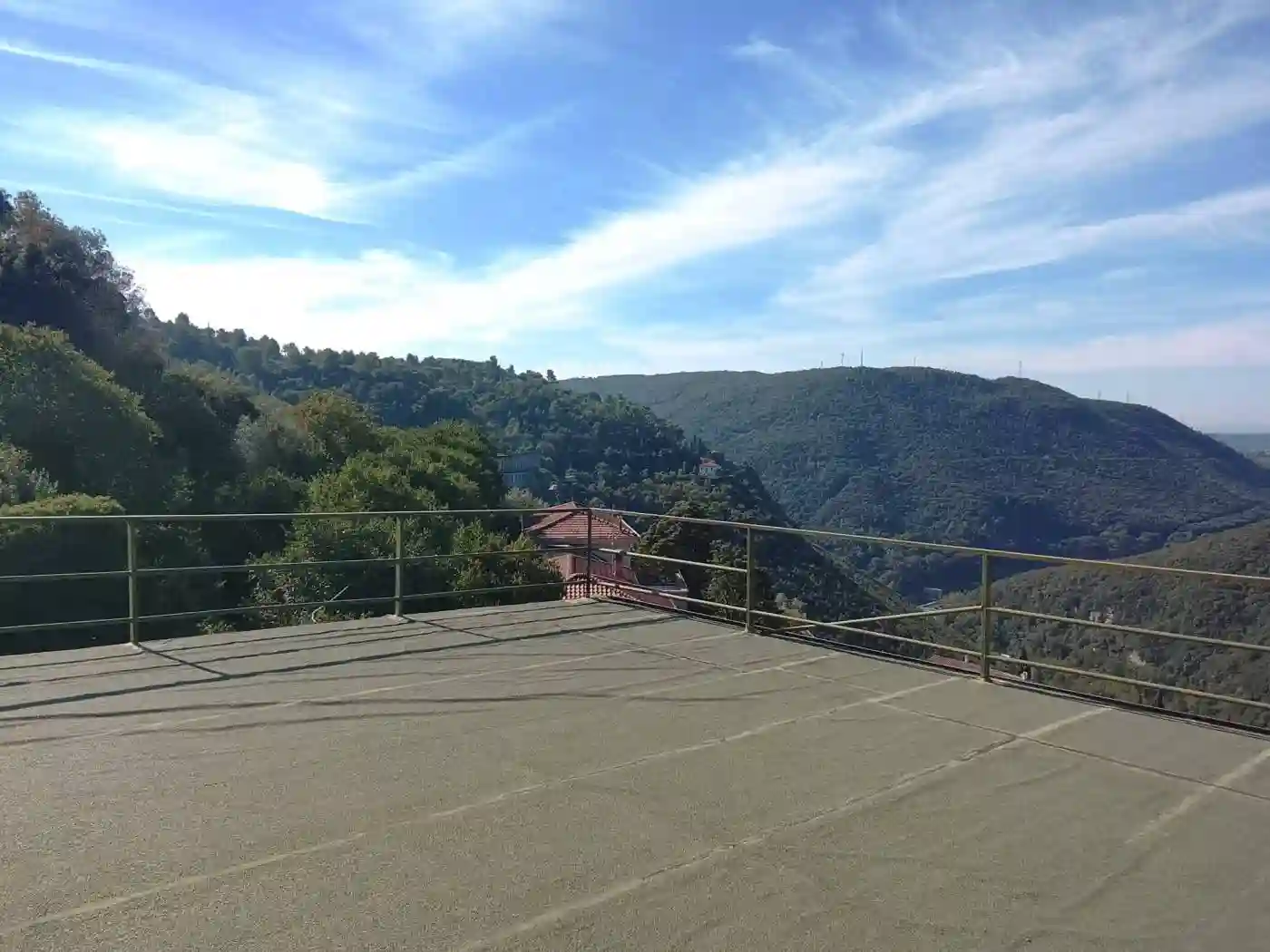
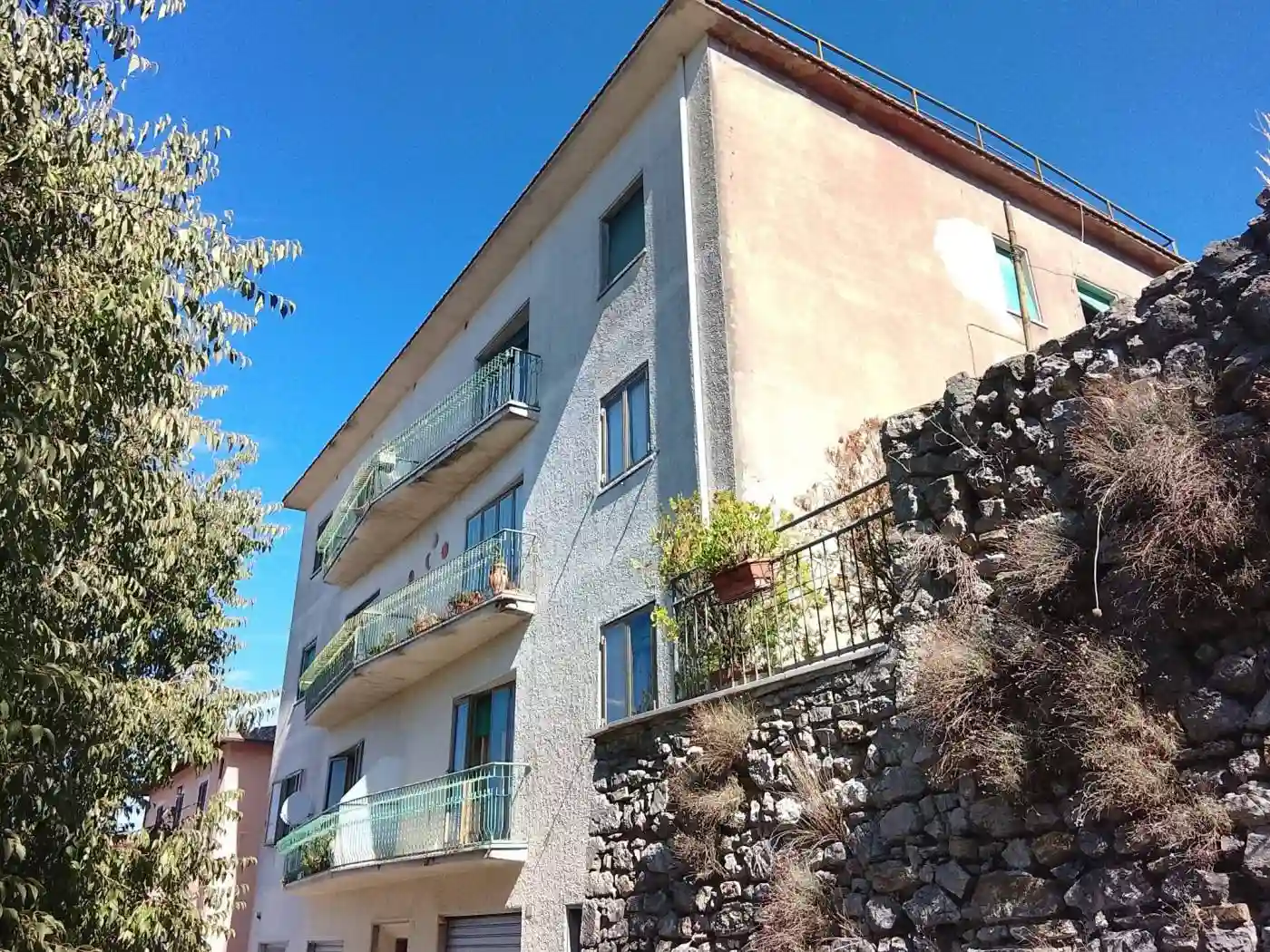
A pochissimi passi dall'ingresso del suggestivo centro storico di Narni, in posizione strategica che unisce la comodità dei servizi alla tranquillità, proponiamo in vendita uno splendido appartamento panoramicissimo con vista mozzafiato sulle Gole del Nera e sulla maestosa Rocca Albornoziana.
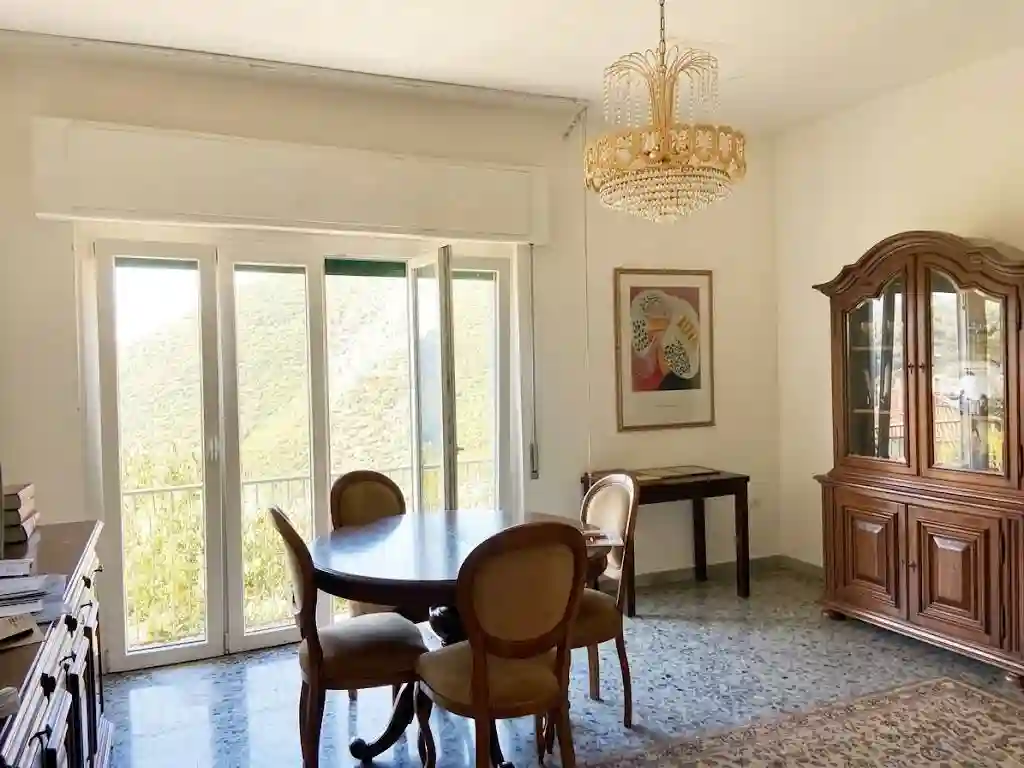
L'immobile, luminoso e ben distribuito negli spazi interni, si distingue per gli affacci aperti e la presenza di finiture di recente ristrutturazione.
Composizione e Caratteristiche Interne:
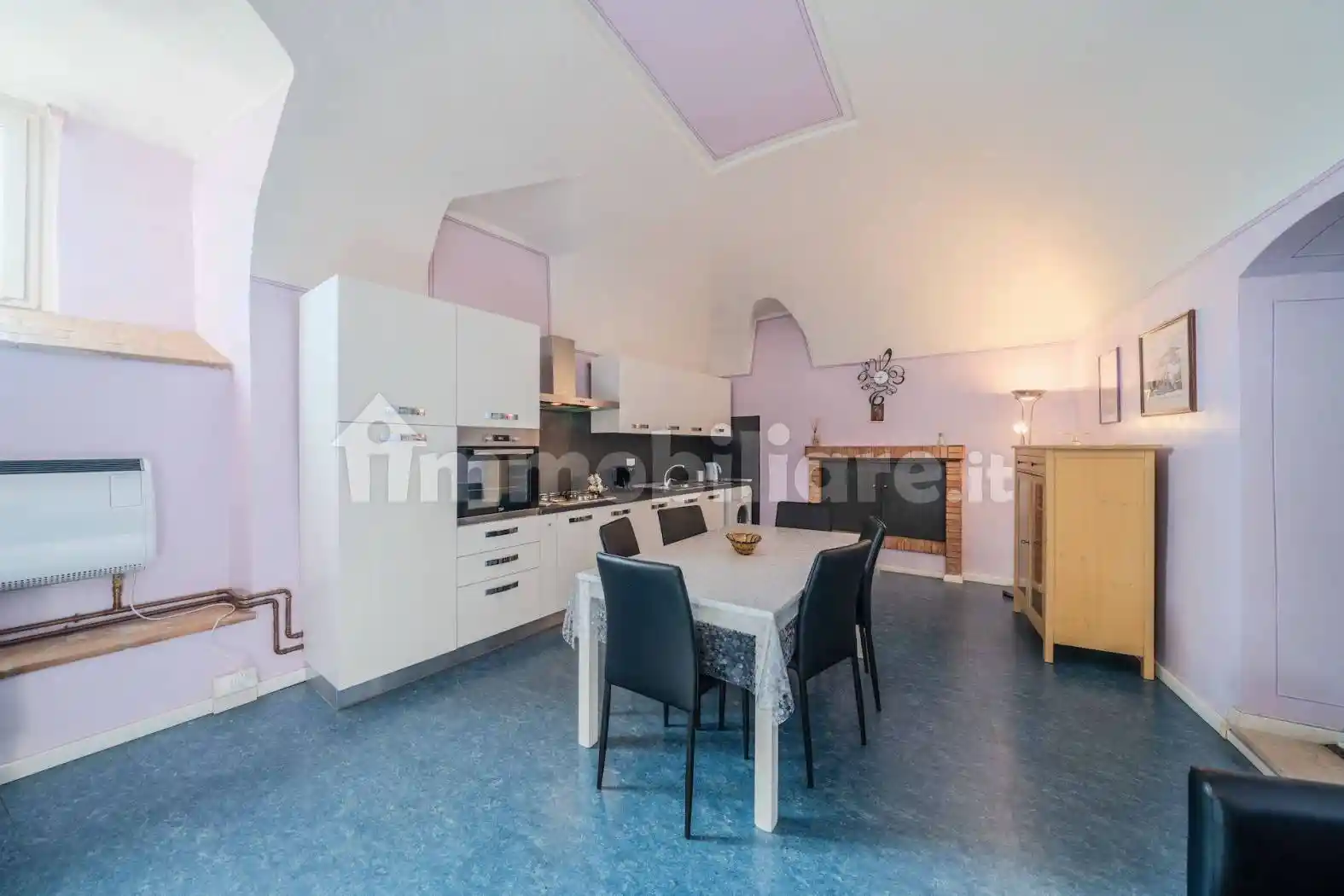
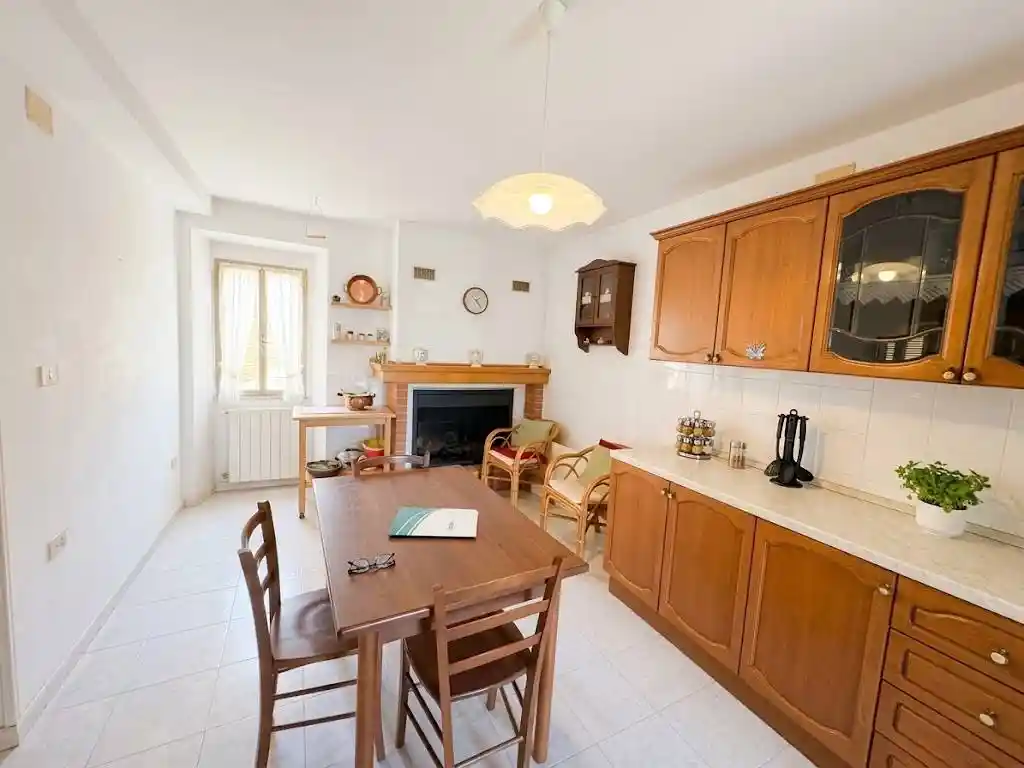
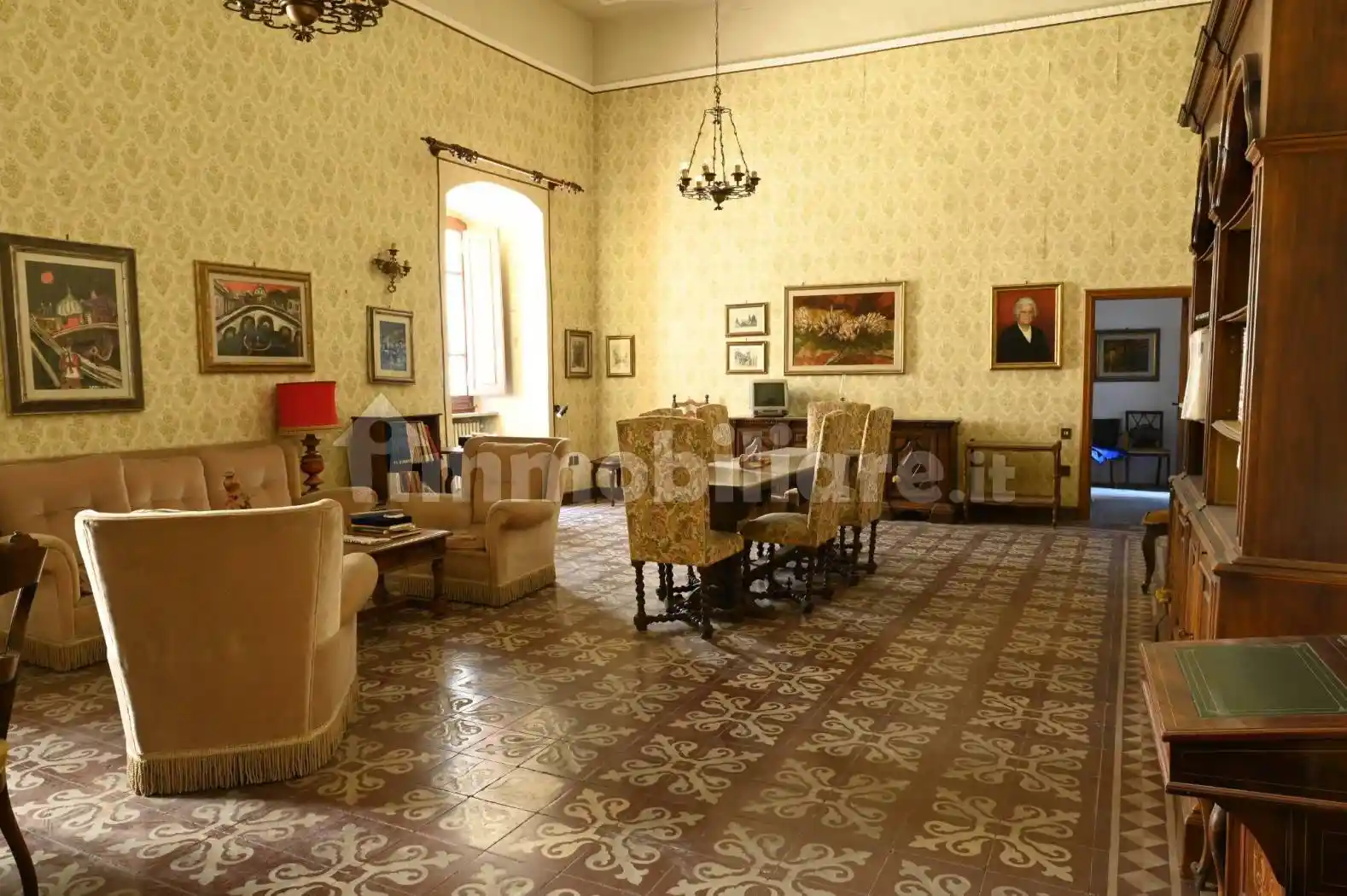
Zona Giorno: Accogliente e ampio salone, ideale per momenti di relax in famiglia, affiancato da una spaziosa cucina abitabile dotata di camino, perfetta per chi ama vivere la casa e la convivialità.
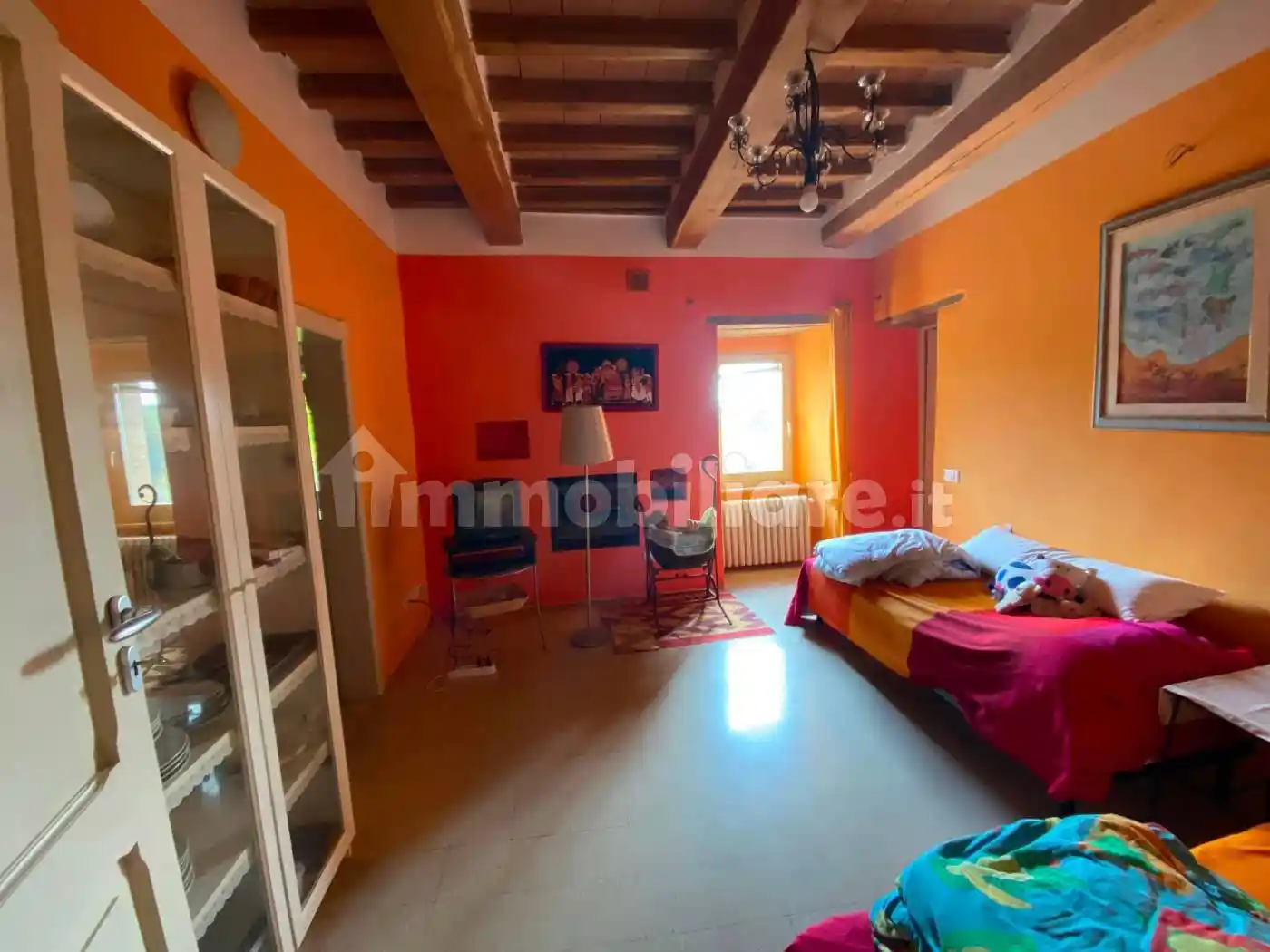
Zona Notte: Un disimpegno conduce a due grandi camere da letto matrimoniali, ampie e luminose.
Bagno e Finiture: Il bagno è stato completamente rinnovato di recente con uno stile moderno e funzionale. Tutti gli infissi sono nuovi, garantendo un ottimo isolamento termico e acustico.
Spazio Esterno: Il vero fiore all'occhiello della proprietà è lo splendido terrazzo abitabile e panoramico, uno spazio unico dove poter pranzare all'aperto, godendosi tramonti spettacolari e una vista dominante sul paesaggio umbro.
Pertinenze e Plus:
Possibilità di Garage: Rara e preziosa opportunità per la zona del centro storico, con la possibilità di acquistare un garage privato per la massima comodità di parcheggio e spazio storage.
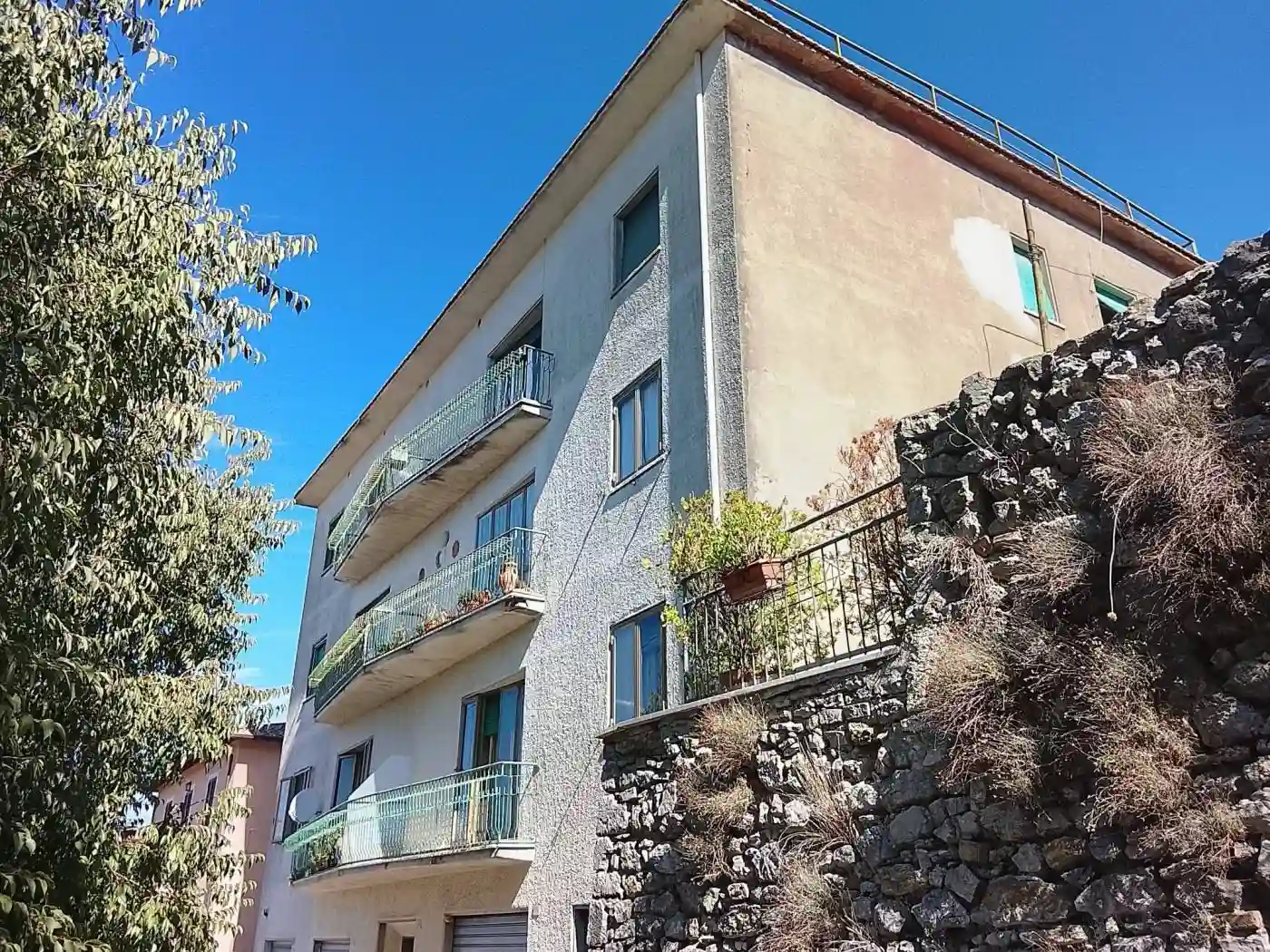
Posizione Strategica: Alle porte del paese, raggiungibile comodamente a piedi per vivere il borgo senza lo stress del traffico.
Una soluzione ideale sia come prima casa per famiglie e coppie, sia come investimento o residenza secondaria per chi cerca un'oasi di pace ricca di storia e natura.
Contattaci subito per fissare un appuntamento di visita!
<hr>Narni was an important Umbrian city. In 300 BC it was besieged by the consul Appuleius [it]; the inhabitants resisted vigorously, and the siege continued into the following year, when the city was taken by the consul Marcus Fulvius, who celebrated a triumph over the Samnites and the people of Nequinum. The Roman Senate secured the conquest by establishing a colony there, named Narnia from the nearby Nera river.[5]
The city is later listed among the thirty Latin colonies at the time of the Second Punic War. In 209 BC, having refused assistance to Rome along with other colonies, it was severely punished and compelled to provide a double military contingent and a considerable sum of money. During the same war Narni served as a strategic stronghold against the threatened advance of Hasdrubal toward Rome, and from there cavalrymen set out who were the first to bring news to Rome of the victory at the Battle of the Metaurus.[5]
The rediscovery, in the late 20th century, of the Roman shipyard of Stifone within its territory has made researchers hypothesize its particular importance during the Punic Wars.[7][8]
In the Republican period Narni appears as a flourishing municipium and one of the principal centers of Umbria, its prosperity attributed to its position on the Via Flaminia and to the fertility of the surrounding countryside, especially the Valnerina [it]. It belonged to the Papiria tribe.[5]
During the civil wars between Vespasian and Vitellius, Narni was occupied by the Vitellians as a strongly fortified position.[5]
Christianity was introduced to Narni through Saint Felician, bishop of Foligno, and especially Saint Juvenal of Carthage, who became its first bishop in 368 or 369 by decree of Pope Damasus I.[5]
Early Middle Ages
In the period after the end of Roman rule Narni faced barbarian invasions.[9] Its commanding position over the Via Flaminia also gave it importance during the wars of Belisarius and Narses against the Goths.[5]
Narni was contested by the Exarchate of Ravenna and the Lombard Duchy of Spoleto in the late 6th century as the city controlled the southern reaches of the Via Flaminia, an essential route between Rome and Ravenna.[10]
Saint Cassius, who also held the episcopate of Terni, was a distinguished bishop; during his time Totila devastated and plundered Narni. He was regarded as a man of great intellect and deep religiosity, and was adopted as advocate and patron of the city.[5]
In the pontificate of Gregory II, after 726, Narni, then part of the Duchy of Rome, passed under papal rule when the duchy submitted to the Roman Church. Liutprand, king of the Lombards, occupied the city, but Pope Zachary obtained its restitution in 741 together with its territory. Aistulf, also king of the Lombards, likewise seized territories of the Church including Narni, but was compelled to restore them by King Pepin at the request of Pope Stephen III.[5]
In 755 Fulrad went to "Rome carrying the keys
L'immobile, luminoso e ben distribuito negli spazi interni, si distingue per gli affacci aperti e la presenza di finiture di recente ristrutturazione.
Composizione e Caratteristiche Interne:
Zona Giorno: Accogliente e ampio salone, ideale per momenti di relax in famiglia, affiancato da una spaziosa cucina abitabile dotata di camino, perfetta per chi ama vivere la casa e la convivialità.
Zona Notte: Un disimpegno conduce a due grandi camere da letto matrimoniali, ampie e luminose.
Bagno e Finiture: Il bagno è stato completamente rinnovato di recente con uno stile moderno e funzionale. Tutti gli infissi sono nuovi, garantendo un ottimo isolamento termico e acustico.
Spazio Esterno: Il vero fiore all'occhiello della proprietà è lo splendido terrazzo abitabile e panoramico, uno spazio unico dove poter pranzare all'aperto, godendosi tramonti spettacolari e una vista dominante sul paesaggio umbro.
Pertinenze e Plus:
Possibilità di Garage: Rara e preziosa opportunità per la zona del centro storico, con la possibilità di acquistare un garage privato per la massima comodità di parcheggio e spazio storage.
Posizione Strategica: Alle porte del paese, raggiungibile comodamente a piedi per vivere il borgo senza lo stress del traffico.
Una soluzione ideale sia come prima casa per famiglie e coppie, sia come investimento o residenza secondaria per chi cerca un'oasi di pace ricca di storia e natura.
Contattaci subito per fissare un appuntamento di visita!
<hr>Narni was an important Umbrian city. In 300 BC it was besieged by the consul Appuleius [it]; the inhabitants resisted vigorously, and the siege continued into the following year, when the city was taken by the consul Marcus Fulvius, who celebrated a triumph over the Samnites and the people of Nequinum. The Roman Senate secured the conquest by establishing a colony there, named Narnia from the nearby Nera river.[5]
The city is later listed among the thirty Latin colonies at the time of the Second Punic War. In 209 BC, having refused assistance to Rome along with other colonies, it was severely punished and compelled to provide a double military contingent and a considerable sum of money. During the same war Narni served as a strategic stronghold against the threatened advance of Hasdrubal toward Rome, and from there cavalrymen set out who were the first to bring news to Rome of the victory at the Battle of the Metaurus.[5]
The rediscovery, in the late 20th century, of the Roman shipyard of Stifone within its territory has made researchers hypothesize its particular importance during the Punic Wars.[7][8]
In the Republican period Narni appears as a flourishing municipium and one of the principal centers of Umbria, its prosperity attributed to its position on the Via Flaminia and to the fertility of the surrounding countryside, especially the Valnerina [it]. It belonged to the Papiria tribe.[5]
During the civil wars between Vespasian and Vitellius, Narni was occupied by the Vitellians as a strongly fortified position.[5]
Christianity was introduced to Narni through Saint Felician, bishop of Foligno, and especially Saint Juvenal of Carthage, who became its first bishop in 368 or 369 by decree of Pope Damasus I.[5]
Early Middle Ages
In the period after the end of Roman rule Narni faced barbarian invasions.[9] Its commanding position over the Via Flaminia also gave it importance during the wars of Belisarius and Narses against the Goths.[5]
Narni was contested by the Exarchate of Ravenna and the Lombard Duchy of Spoleto in the late 6th century as the city controlled the southern reaches of the Via Flaminia, an essential route between Rome and Ravenna.[10]
Saint Cassius, who also held the episcopate of Terni, was a distinguished bishop; during his time Totila devastated and plundered Narni. He was regarded as a man of great intellect and deep religiosity, and was adopted as advocate and patron of the city.[5]
In the pontificate of Gregory II, after 726, Narni, then part of the Duchy of Rome, passed under papal rule when the duchy submitted to the Roman Church. Liutprand, king of the Lombards, occupied the city, but Pope Zachary obtained its restitution in 741 together with its territory. Aistulf, also king of the Lombards, likewise seized territories of the Church including Narni, but was compelled to restore them by King Pepin at the request of Pope Stephen III.[5]
In 755 Fulrad went to "Rome carrying the keys
Caratteristiche
Piano
3
Ascensore
No
Stato
Buono / Abitabile
Riscaldamento
Autonomo, a radiatori, alimentato a metano
Servizi e accessori
Caminetto
Esposizione doppia
Fibra ottica
Impianto tv singolo
Infissi esterni in doppio vetro / PVC

Referente
Studiozero24
Storico
Pubblicato
24 Sep 2026
Aggiornato
02 Oct 2026
Sul mercato
10 giorni
ID Annuncio
132690300